76 into 1
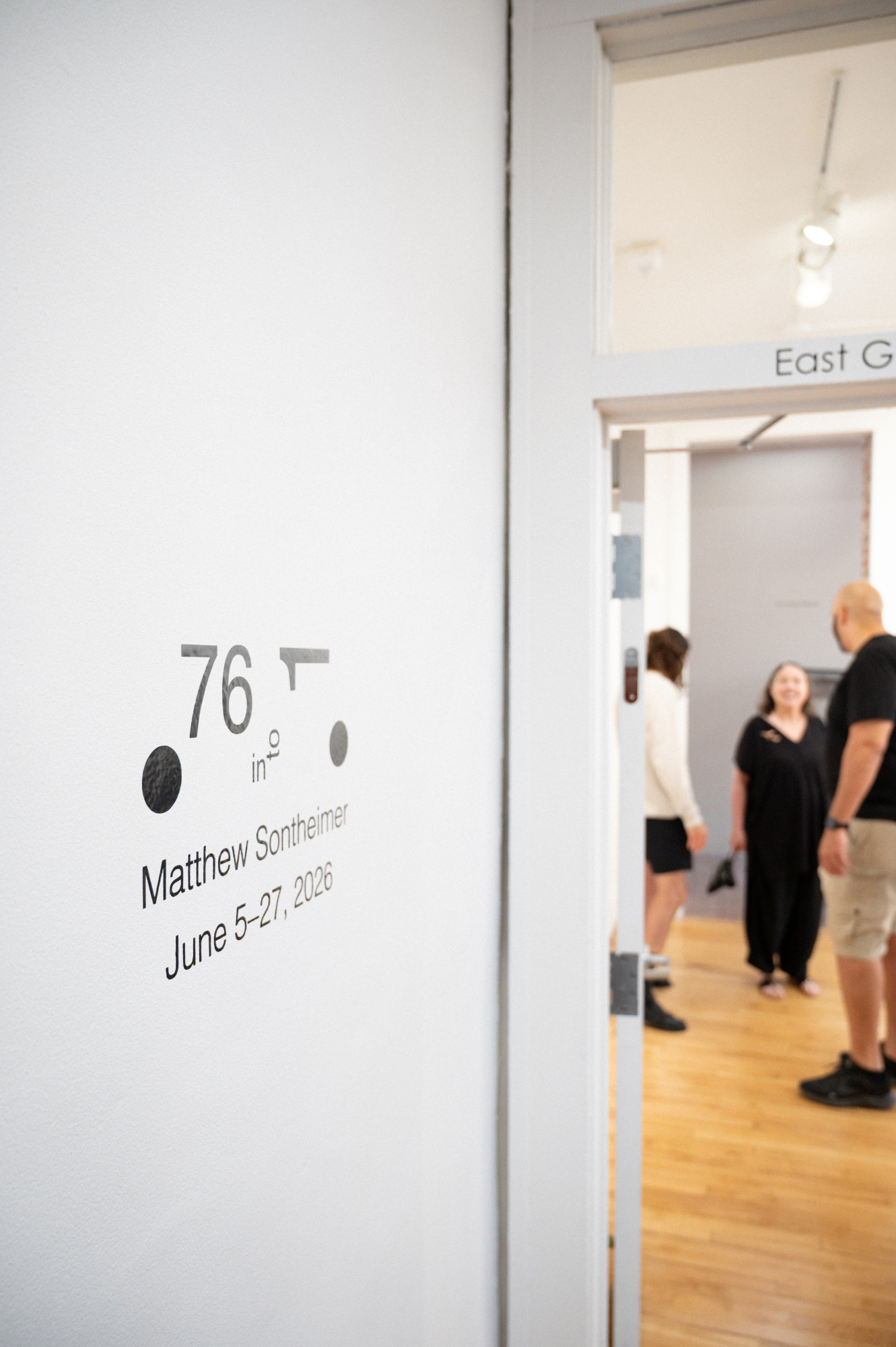
76 into 1

A little over a year ago while shopping at Russ’s Market on 17th Street here in Lincoln, I located amidst a series of adult coloring books a publication titled, Taste of Home, Dot to Dot, Ultimate Train-Your-Brian-Challenge, All New! On an impulse I purchased this publication. When I opened the book at home, I found the book’s bafflingly puzzle design and its excruciatingly tiny print exasperating. This type of adult publication is usually intended for relaxation, continued cognitive strength, and neuroplasticity, but his puzzle book struck me as a case for elder abuse. In an act of defiance and a whim, I decided to take an alternative approach to its design.
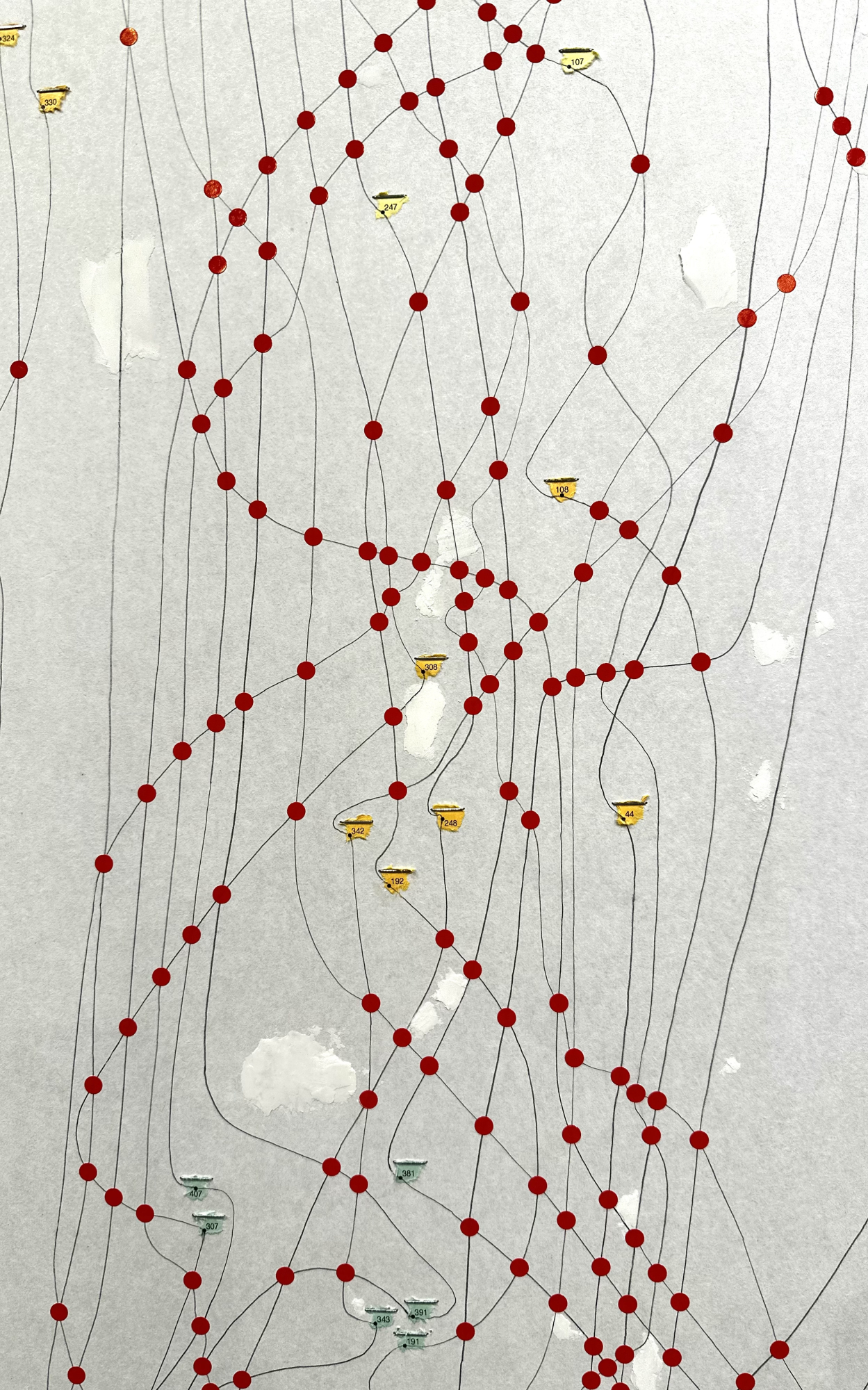
Beginning with the number 1 in the first puzzle, I drew a pencil line that meanders through the various numbered dots in that puzzle until reaching the number 2 dot in the next puzzle. Moving along in this methodical manner, I continued to search for the next highest integer in each following puzzle as I proceded back and forth across the book’s seventy-six puzzles. My goal was to connect these lines until I reached a number in a puzzle where there’s no longer a larger corresponding number to connect on a following page. When one searching line crosses another, I marked that point with a red dot. What seemed like a short-lived activity began to stretch into weeks. So, to expediate this search while continuing to work on my hand-drawn lines, I Xeroxed and enlarged each puzzle in this book and simply began circling the numbers on each page using the same method. This seemingly faster process of solely circling each corresponding number of these 76 puzzles consumed my entire sabbatical in the Fall of 2025. The pages of that circle number search are on display on the South and West walls of this gallery space.
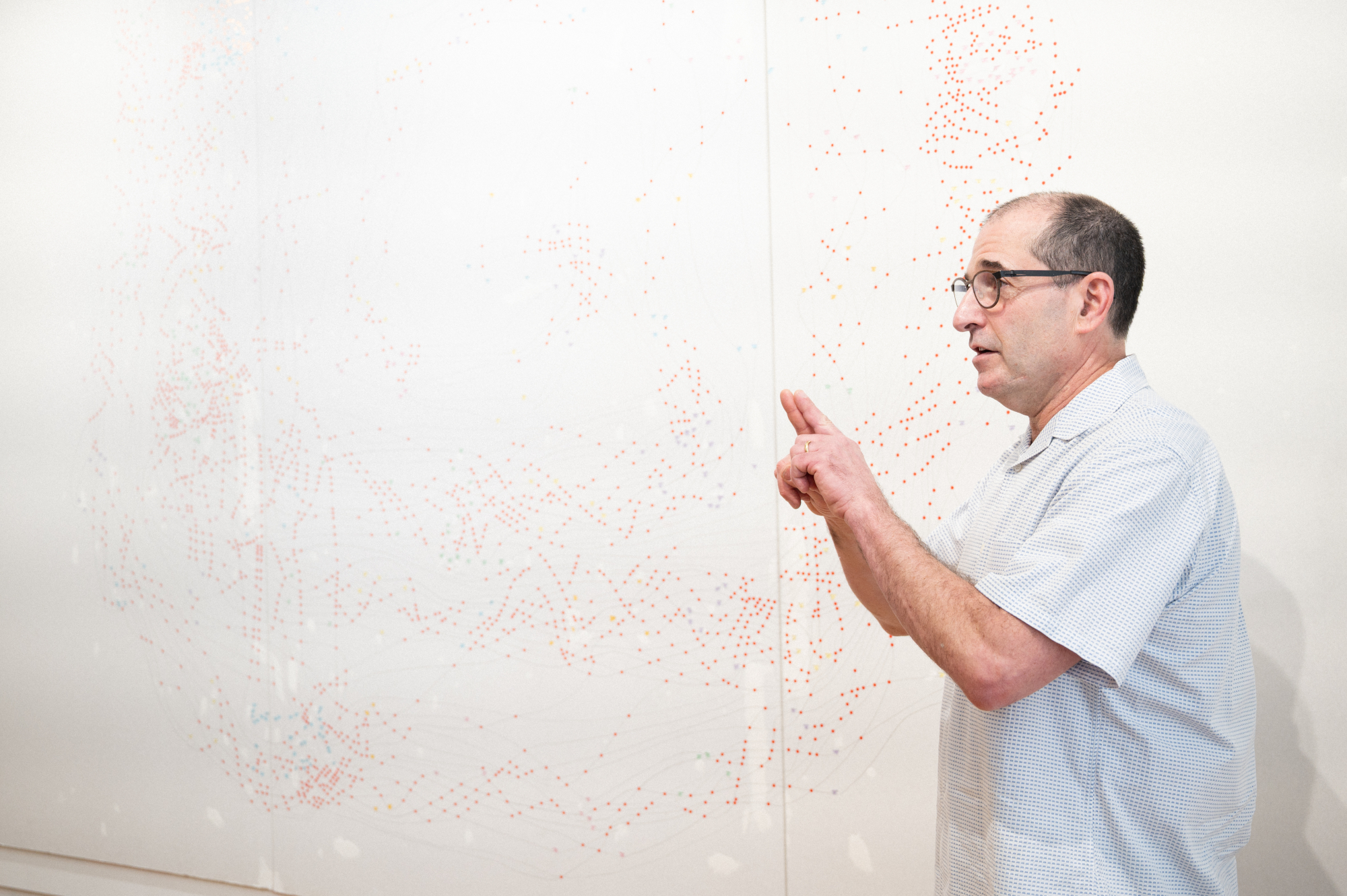
Finally, employing this circle methodology, I worked with the scanning assistance of Kate Glass and help from Jon Love, who digitally re-typeset the book’s pages so that only the circled numbers of each puzzle that resulted from my systemic approach were left on the printed page. I am now using the seventy-six redesigned pages of each puzzle in various formats to create new works. The newest result using this process can be seen in the three-paneled work on the North wall of this gallery.
Additional thanks to helping to make the work and this exposition possible are to Joseph Holmes, Alex Renbager, Emily Palmer, Maddie Hinrichs, Madison Svengard, Hannah Demma, the entire LUX Center for the Arts staff, as always, my wife, Myra, our cat, May, and finally to Dr. Gareth Moore for the inspiration resulting from the frustrating designs of his dot-to-dot puzzles.